
POSTPARTUM CARE TREATMENT – Postnatal Belly Blinding

Traditional abdominal binding, known as ‘Jamu,’ is a time-honored therapeutic practice originating from Malaysia and Indonesia, dating back to the 17th century. This traditional postpartum self-care method addresses the physiological and hormonal changes that occur during pregnancy, such as pelvic expansion, widening of the hips, and enlargement of the uterus.
Utilizing a comprehensive approach known as ‘abdominal binding therapy,’ this treatment aims to facilitate postural realignment, promote uterine contraction, and address abdominal and skeletal concerns (pelvic and chest bones). Specifically designed for addressing the phenomenon known as ‘false belly,’ where the uterus expansion during childbirth causes separation of the rectus abdominis muscles, this therapy effectively addresses and improves this condition.
The benefits of proper postpartum abdominal binding include:
- Support for pelvic floor muscles, leading to the improvement of urinary incontinence.
- Rehabilitation of rectus abdominis muscle separation.
- Provision of back support, alleviating back pain.
- Facilitation of abdominal drainage and gas expulsion.
- Assistance in restoring the expanded skeletal structure and aiding in the repositioning of internal organs, contributing to the restoration of pre-pregnancy body contours.
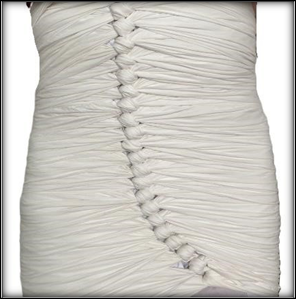
Procedures:
| 1 | 2 | 3 | 4 | 5 |
|---|---|---|---|---|
| Rectus abdominis muscle examination and measurement of waist and pelvic bone alignment | Meridian-Warming Uterus Massage | Back and abdominal massage | Apply herbal essential oil on the belly | Belly binding |
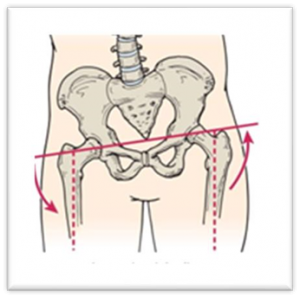
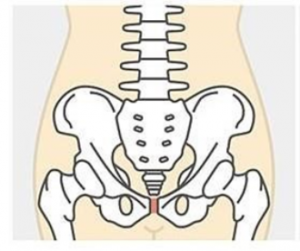
Antenatal Pelvic Bone Condition
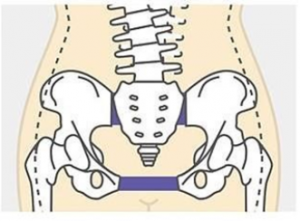
Postpartum Pelvic Bone Condition
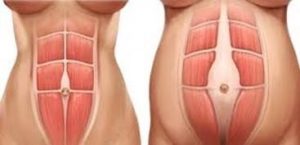
Understanding and Managing Diastasis Recti:
Diastasis recti, also known as diastasis rectus abdominis or diastasis, refers to the separation of the rectus abdominis muscles, commonly known as the “six-pack abs.” This condition predominantly occurs during and after pregnancy, as the expanding uterus puts strain on the abdominal muscles, causing them to stretch. The separation is facilitated by the linea alba, a thin band of tissue running down the center of the abdomen, dividing the rectus abdominis into left and right sides.
Prevalence:
The prevalence of diastasis recti is notably high among pregnant and postpartum women, with statistics indicating that more than 66% of pregnant women will experience this condition by the end of their pregnancy. The risk is particularly heightened in the third trimester when the abdominal wall faces increased pressure due to the rapidly growing baby.
Symptoms and Causes:
Symptoms of diastasis recti become apparent during the postpartum period and may include a visible bulge or “pooch” above or below the belly button, a soft or jelly-like feeling around the belly button, coning or doming during ab muscle contractions, difficulty in daily tasks, pelvic and low back pain, poor posture, and urinary incontinence. The condition arises when the linea alba loses its elasticity due to overstretching during pregnancy, preventing proper closure of the abdominal muscles.
Complications:
Untreated diastasis recti can lead to various complications, such as lower back, pelvic, and hip pain, discomfort during sexual intercourse, and issues related to urinary incontinence or constipation.
Conclusion:
Understanding diastasis recti is crucial for healthcare professionals and individuals alike. Recognizing the symptoms and causes is essential for early intervention and effective management. Addressing diastasis recti not only improves physical well-being but also contributes to overall postpartum health and quality of life.

Q & A
1. What is the principle of traditional belling binding?
The principle of traditional belly binding is to use a belly band, starting from the pelvic bone and wrapping upwards to the chest, creating a pressure enclosure. This method involves three layers of binding, effectively addressing issues such as pelvic narrowing, waist tightening, and chest narrowing. It aims to provide specific benefits, including the reduction of pelvic bone width, tightening of the waistline, and narrowing of the chest. Additionally, traditional belly binding can help alleviate problems such as pelvic bone narrowing, uterine expansion, diastasis recti (separation of abdominal muscles), and visceral displacement.
2. When engaging in traditional belly binding, there are several precautions to consider:
1). Avoid being too full or hungry before the procedure
2). Recommend wearing loose clothing for easy application of the belly band
3). Ideal duration for belly binding is around 6 hours, not overnight
4). Shower allowed 30 minutes after removing the binding
5). Ensure not pregnant or at risk of pregnancy; not recommended for those who had a miscarriage in the past 3 months.
3. Is the primary purpose of traditional belly binding to improve diastasis recti, the separation of the rectus abdominis muscles?
Yes, traditional belly binding primarily focuses on improving diastasis recti, which is the separation of the rectus abdominis muscles in the middle of the abdomen. The rectus abdominis muscles are divided into left and right sides, connected by a thick fibrous tissue called the linea alba, often referred to as the “abdominal white line”. During the later stages of pregnancy, the linea alba can be stretched and the muscles separated, resembling a zipper being pulled apart.
By undergoing a series of comprehensive traditional belly binding sessions, the process aims to effectively assist in repairing and restoring the separation of the rectus abdominis muscles. The binding helps bring the separated muscles back together, aiding in the restoration of diastasis recti. This is achieved by applying pressure to the abdominal area, facilitating the realignment of the muscles and the closure of the linea alba, ultimately contributing to the resolution of diastasis recti related issues.
4. Is it possible to undergo traditional belly binding after the birth of the second child if the plan is to have two children within three years?
The enlargement of the uterus, diastasis recti, and visceral displacement are common issues faced by every postpartum woman. It is recommended to address these issues early on to prevent their exacerbation. However, it is essential to note that before undergoing traditional belly binding, you must ensure that you are not currently pregnant or at risk of pregnancy. Additionally, individuals who have experienced a miscarriage within the past three months are not suitable candidates for traditional belly binding.
5. Does the practice of consuming a substantial amount of postpartum nourishing meals during the confinement period, resulting in a significant increase in body weight, conflict with traditional belly binding?
Confinement practices and traditional belly binding do not conflict with each other. This is because traditional belly binding primarily focuses on postpartum body shaping and repairing issues related to visceral displacement. Generally, we recommend that mothers who had a natural delivery start traditional belly binding after one month, and mothers who underwent a caesarean section wait for 6-12 months, allowing time for wound healing and the cessation of lochia before undergoing the traditional belly binding procedure.
6. What is the optimal timing for traditional belly binding postpartum?
For natural births, it is recommended to start one month after delivery (once lochia has ceased). For cesarean section deliveries, it is advised to begin after three months (ensuring confirmation of complete wound healing by a family doctor and the cessation of lochia).
7. Is it suitable to undergo traditional belly binding several years after giving birth?
Even after several years postpartum, traditional belly binding remains applicable. The golden period for traditional belly binding is within the first year after childbirth. This is because, between 9 to 12 months postpartum, the body still contains the hormone Relaxin, which contributes to tissue softening after childbirth. Applying pressure with belly binding during this time can help tighten the softened postpartum body tissues, yielding slimming effects.
8. How many sessions of traditional belly binding are needed to achieve body shaping results?
It is generally recommended to undergo 10 to 15 sessions, depending on the client’s body shape, desired effects, and progress. However, if the desired body shape is not achieved after 10 to 15 sessions, it is also possible to continue with additional sessions of traditional belly binding.
9. How does it feel after undergoing traditional belly binding? Is it painful?
After traditional belly binding, one may experience a sensation of tightness in the abdominal and ribcage areas. We use soft binding cloths and adjust the binding pressure according to individual body shapes. Moreover, the use of gentle binding materials and the customization of pressure intensity based on body types make the belly binding generally comfortable and not disruptive to daily activities.
